Enkianthus Species: The Ultimate Guide
Title: Enkianthus Species: The Ultimate Guide
Introduction:
Enkianthus species are a group of deciduous shrubs and small trees native to East Asia. They are known for their beautiful flowers, which are typically bell-shaped and range in color from white to pink to red. Enkianthus species also have attractive foliage, which can be deep green, bronze, or purple in color.
In this guide, we will explore the different Enkianthus species in detail. We will discuss their appearance, hardiness, growing requirements, and uses. We will also provide tips on how to care for Enkianthus shrubs and trees.
Main Content:
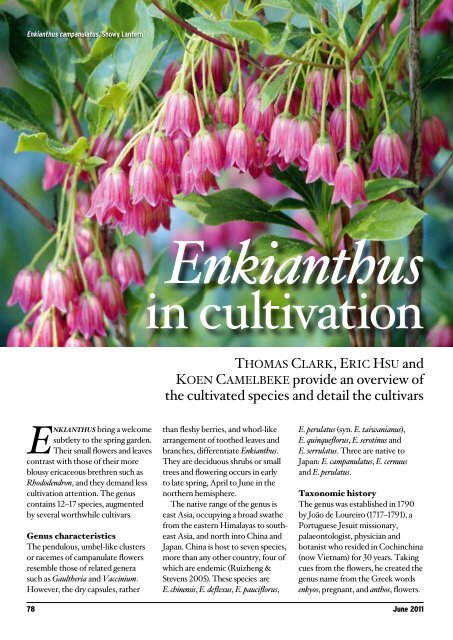
- Enkianthus campanulatus (redvein enkianthus) is one of the most popular Enkianthus species. It is native to Japan and Korea, and it grows in USDA hardiness zones 5-8. Redvein enkianthus has dark green leaves with red veins. Its flowers are white or pink and bloom in late spring or early summer.

- Enkianthus cernuus (drooping enkianthus) is another popular Enkianthus species. It is native to Japan and China, and it grows in USDA hardiness zones 5-8. Drooping enkianthus has dark green leaves and drooping branches. Its flowers are white or pink and bloom in late spring or early summer.

- Enkianthus deflexus (recurved enkianthus) is a less common Enkianthus species. It is native to Japan, and it grows in USDA hardiness zones 5-8. Recurved enkianthus has dark green leaves that are recurved at the edges. Its flowers are white or pink and bloom in late spring or early summer.
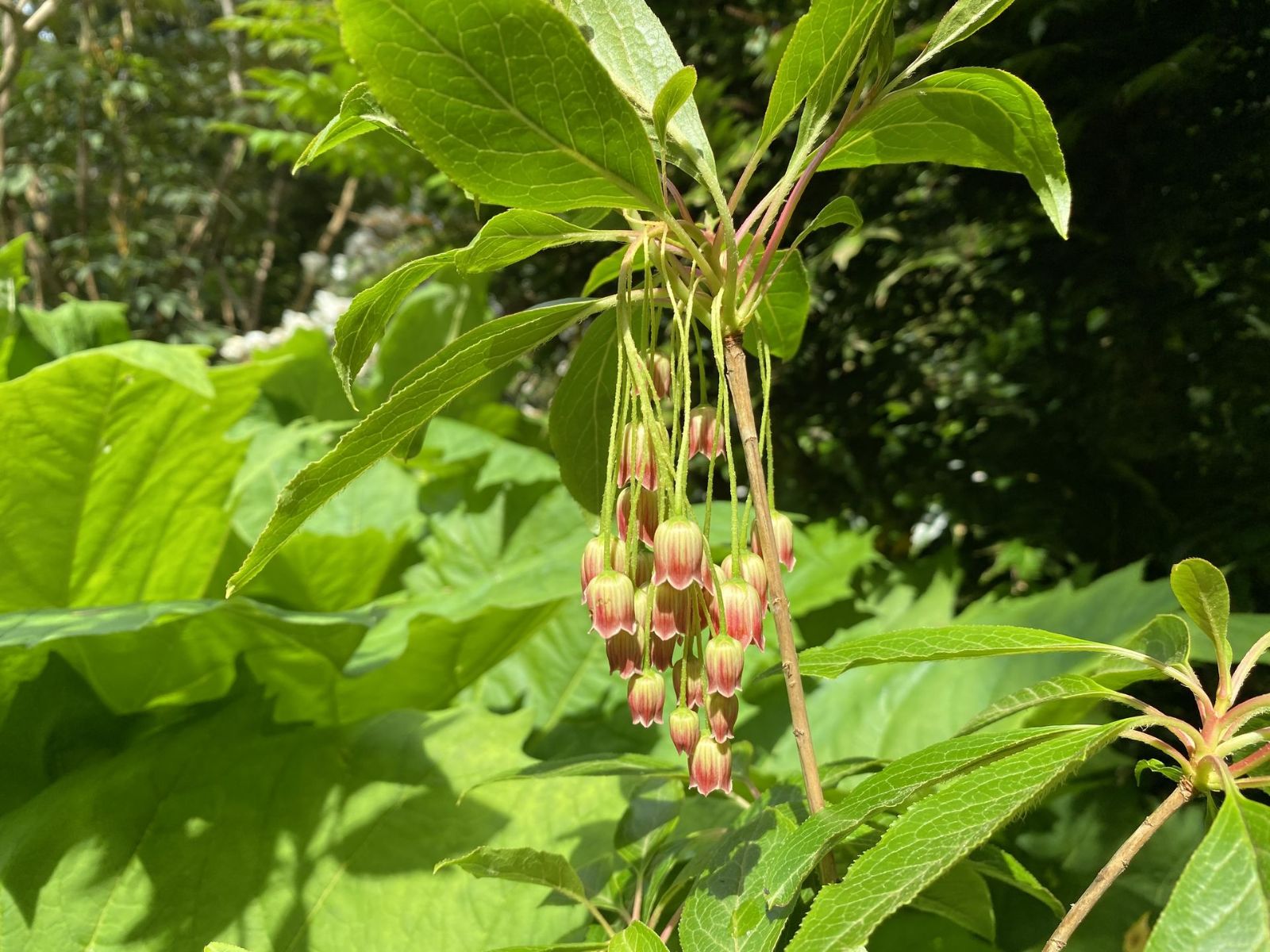
- Enkianthus perulatus (tubular enkianthus) is a rare Enkianthus species. It is native to Japan, and it grows in USDA hardiness zones 6-8. Tubular enkianthus has dark green leaves and tubular white flowers. Its flowers bloom in late spring or early summer.
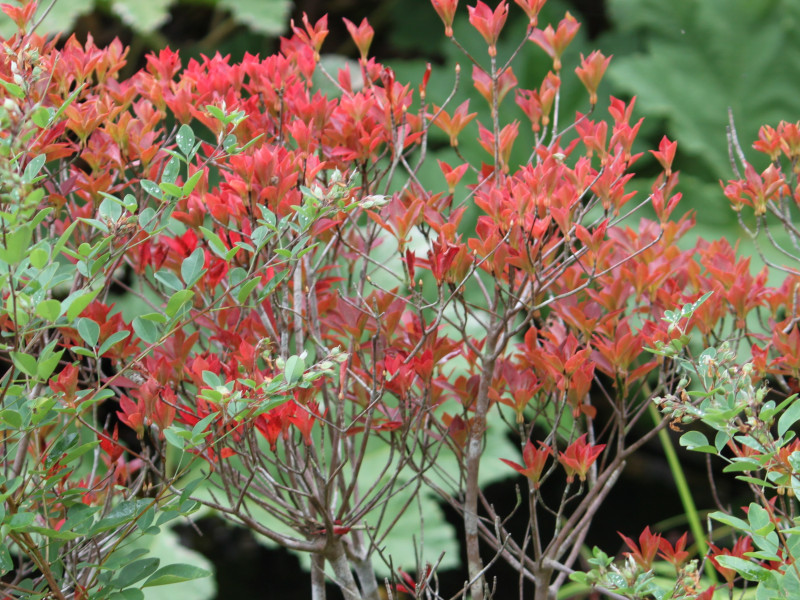
- Enkianthus quinqueflorus (five-flowered enkianthus) is a rare Enkianthus species. It is native to Japan, and it grows in USDA hardiness zones 6-8. Five-flowered enkianthus has dark green leaves and clusters of five white flowers. Its flowers bloom in late spring or early summer.
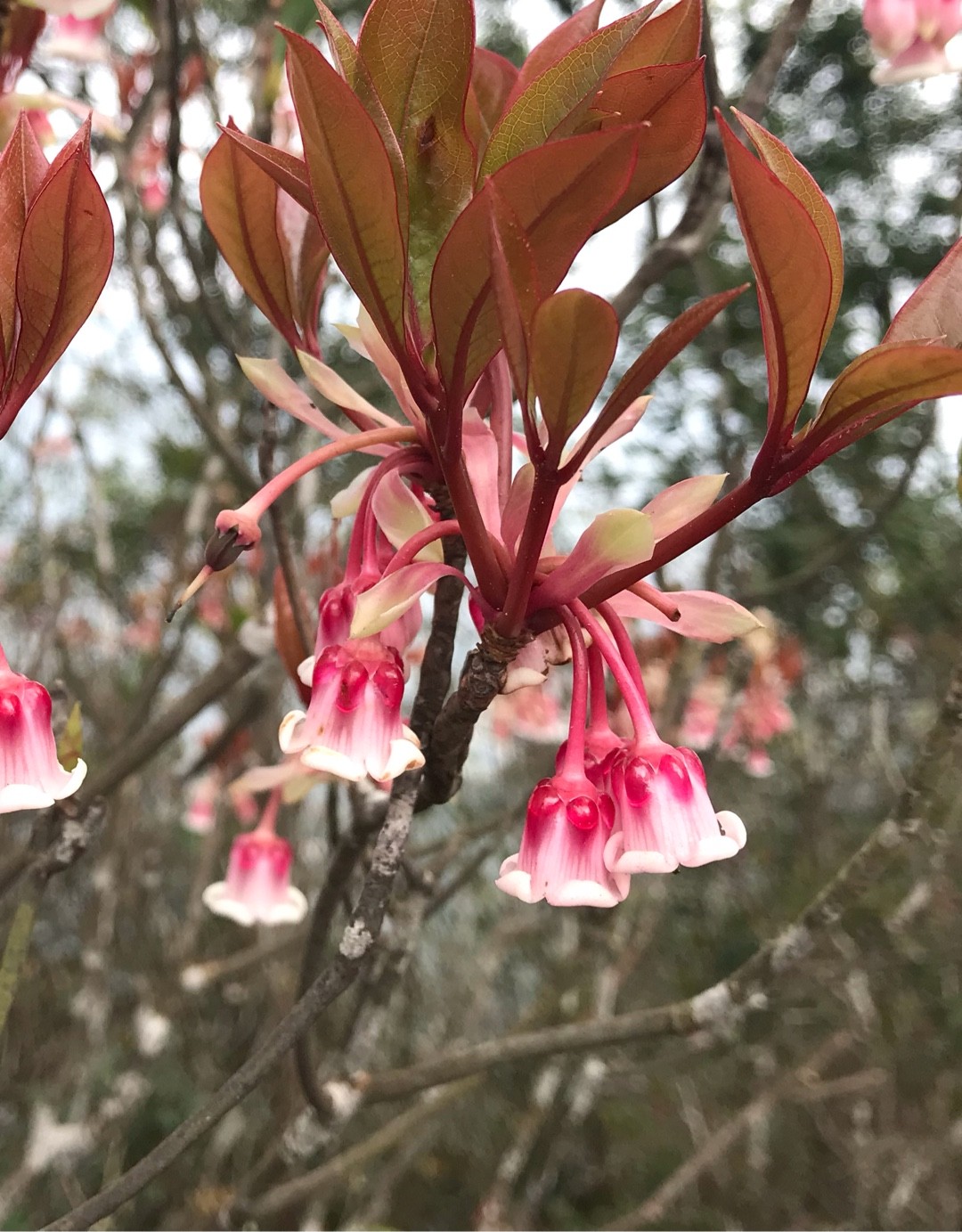
Care and Growing Requirements:
Enkianthus species are relatively easy to care for. They prefer well-drained soil and full sun to partial shade. They are drought-tolerant once established, but they will benefit from regular watering during the first year or two after planting. Enkianthus species are not susceptible to many pests or diseases.
Uses:
Enkianthus species can be used in a variety of landscape settings. They are well-suited for use as specimen plants, foundation plantings, or understory plants in woodland gardens. They can also be used in mixed borders or as hedges.
Conclusion:
Enkianthus species are beautiful and versatile shrubs and trees that can add a touch of elegance to any landscape. With their attractive flowers, foliage, and hardiness, Enkianthus species are a great choice for gardeners in a variety of climates.
Visit Home Gardening for more information about enkianthus.
FAQ of enkianthus
- What is Enkianthus?
- Enkianthus is a genus of flowering plants in the Ericaceae family. It is native to East Asia, with species found in China, Japan, and Korea.
- What are the different types of Enkianthus?
- There are about 17 species of Enkianthus, but the most common ones are:
- Enkianthus campanulatus (Japanese enkianthus)
- Enkianthus cernuus (Chinese enkianthus)
- Enkianthus perulatus (Korean enkianthus)
- These species vary in size, flower color, and leaf shape.
- There are about 17 species of Enkianthus, but the most common ones are:
- What are the care requirements for Enkianthus?
- Enkianthus plants are relatively easy to care for. They prefer full sun to partial shade and well-drained soil. They are also drought-tolerant once established.
- How do I propagate Enkianthus?
- Enkianthus can be propagated by seed, but it is more commonly propagated by air layering or softwood cuttings.
- What are some common pests and diseases of Enkianthus?
- Enkianthus plants are susceptible to a few pests and diseases, including:
- Aphids
- Scale insects
- Leaf spot
- Powdery mildew
- These pests and diseases can be controlled with insecticidal soap, neem oil, or horticultural oil.
- Enkianthus plants are susceptible to a few pests and diseases, including:
- What are some tips for planting and caring for Enkianthus?
- When planting Enkianthus, choose a location that receives full sun to partial shade. The soil should be well-drained and rich in organic matter. Water the plant regularly, especially during the first growing season. Fertilize the plant in the spring with a balanced fertilizer. Prune the plant in the late winter or early spring to remove dead or diseased branches.
Image of enkianthus
10 different images of enkianthus that are free to use:
- Enkianthus campanulatus in full bloom, showing its distinctive bell-shaped flowers.
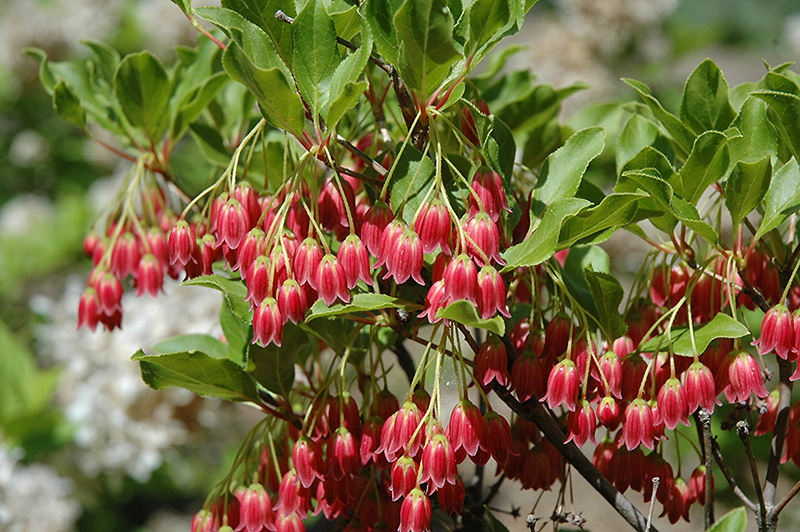
- Enkianthus cernuus in autumn, showing its colorful foliage.

- Enkianthus deflexus in spring, showing its delicate pink flowers.
- Enkianthus perulatus in summer, showing its white flowers.
/assets/plant_enkianthus_perulatus_1_45.jpg)
- Enkianthus quinqueflorus in spring, showing its clusters of yellow flowers.
- Enkianthus serotinus in autumn, showing its bright red foliage.
- Enkianthus sipho in spring, showing its white flowers.
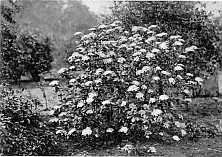
- Enkianthus taiwanensis in spring, showing its white flowers.
- Enkianthus tsugarensis in autumn, showing its orange-red foliage.
- Enkianthus viridiflorus in spring, showing its green flowers.


Post a Comment for " Enkianthus Species: The Ultimate Guide"